Wellbeing
Why You're Always Hungry Even After Eating
Ever finish a meal and wonder why you're hungry again so soon? It can be frustrating, especially when you feel like you've already eaten enough. The reason isn't always a lack of food. Sometimes it's the type of meal you ate, your daily habits, or even stress and poor sleep. This article explores the most common causes of constant hunger and shares simple, realistic ways to help you feel satisfied for longer.

Why You're Always Hungry Even After Eating
Have you ever finished a meal, pushed your plate away, and then found yourself opening the fridge an hour later? It feels confusing. You know you ate. Your stomach isn't exactly empty. Yet somehow, you're already thinking about snacks.
Most people assume it means they don't have enough self-control. Honestly, that's usually not the real problem.
Hunger isn't only about how much food you eat. It's influenced by what you eat, how you eat, how well you sleep, how stressed you are, and even how hydrated you are. Your body is constantly sending signals, and sometimes those signals get a little mixed up.
Let's look at some of the biggest reasons you might still feel hungry after eating.
Your Meal Is Missing Protein
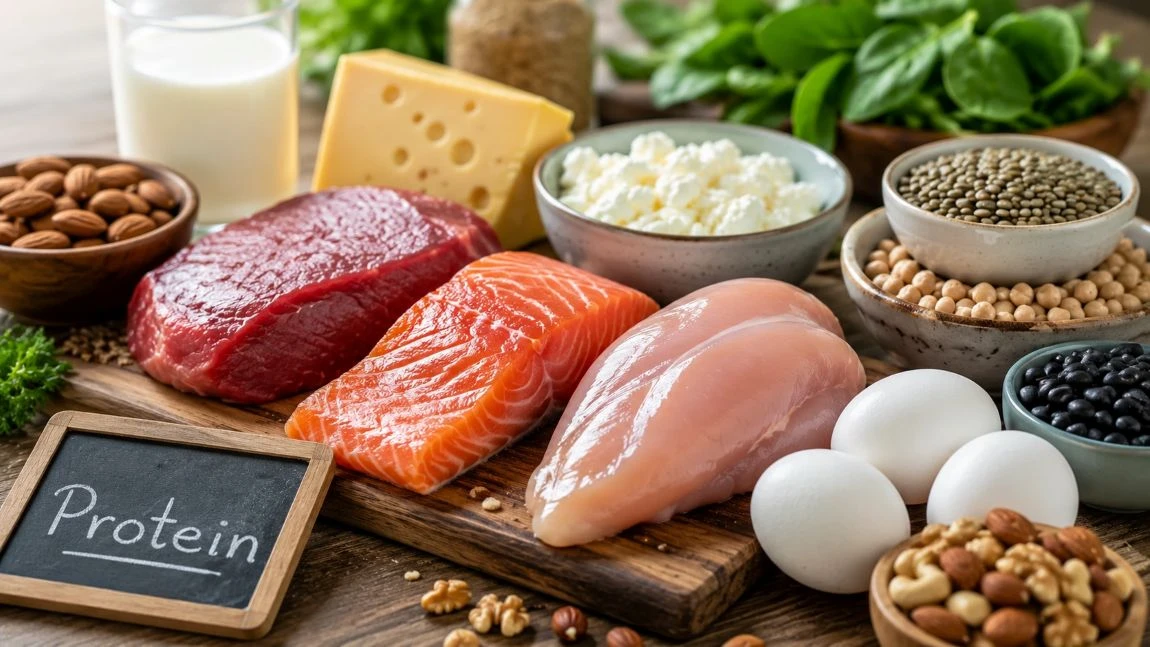
Protein is one of the nutrients that helps you stay full the longest. It slows digestion and helps your body release hormones that signal fullness.
Imagine eating a bowl of sugary cereal for breakfast. Compare that with eggs, Greek yogurt, or oatmeal topped with nuts. The second meal usually keeps you satisfied much longer.
A simple way to improve any meal is to include a good source of protein. Chicken, fish, eggs, beans, lentils, tofu, cottage cheese, and yogurt are all great options.
It doesn't have to be complicated.
You're Not Getting Enough Fiber
Fiber works almost like a slow-release system for your meals. It helps food move through your digestive system more slowly, which can keep hunger away for longer.
Foods rich in fiber include vegetables, fruits, beans, oats, whole grains, nuts, and seeds.