Nourish
Are Eggs Really Bad for Cholesterol? Here's What the Science Says
Are eggs really bad for cholesterol, or is it just an old myth? Discover what current research says, who should be more cautious, and how eggs can fit into a healthy, balanced diet.
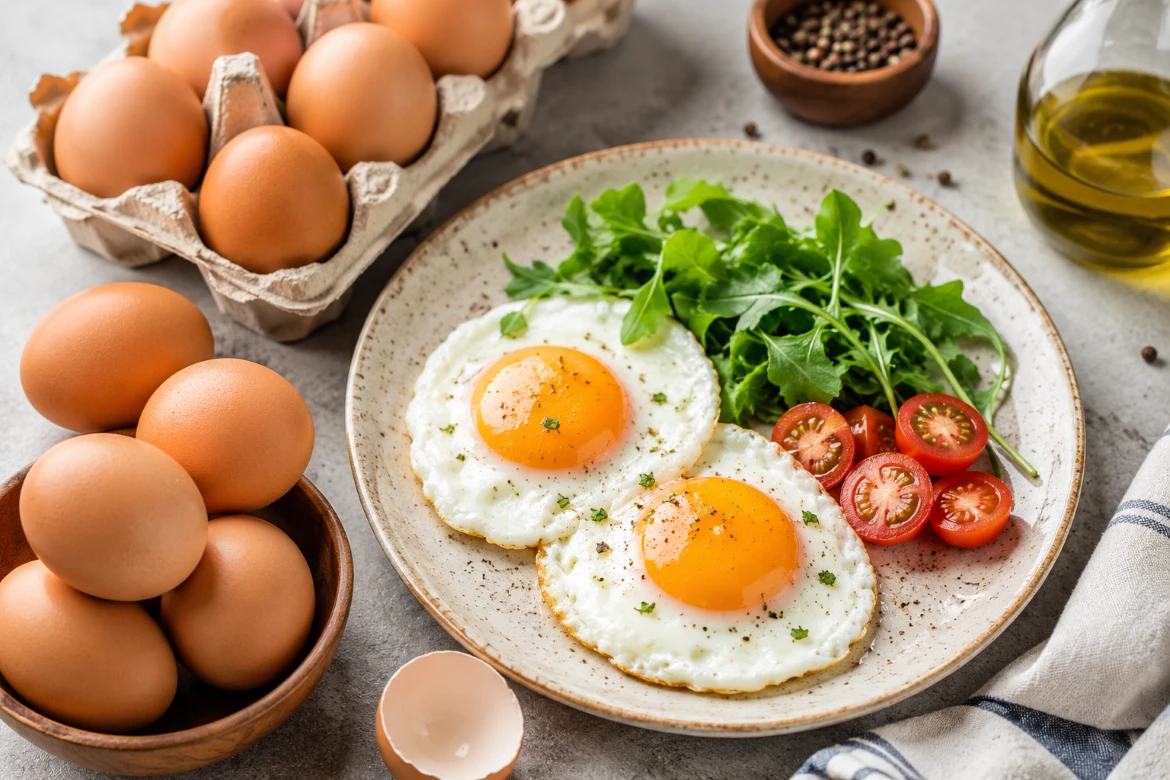
Are Eggs Really Bad for Cholesterol?
For years, eggs have had a bit of a confusing reputation.
One day they were called a healthy breakfast. The next day people were avoiding the yolk because they believed it would raise cholesterol and increase the risk of heart disease. Even now, many people still wonder if eating eggs is something they should feel guilty about.
The short answer is no. For most healthy people, eggs are not the cholesterol villain they were once believed to be.
The reason is actually more interesting than many people realize.
Why Eggs Got a Bad Reputation
A single egg contains around 185 milligrams of cholesterol, and almost all of it is found in the yolk. Years ago, experts assumed that eating foods high in cholesterol would automatically increase cholesterol levels in the blood.
It seemed logical.
If food contains cholesterol, then eating it should raise your cholesterol. But as more research became available, scientists discovered that the human body is much more complicated than that.
For most people, dietary cholesterol has only a small effect on blood cholesterol. Instead, foods that are high in saturated fat and trans-fat tend to have a much bigger impact on raising unhealthy cholesterol levels.
That changed the way many nutrition experts looked at eggs.
Your Body Already Makes Cholesterol
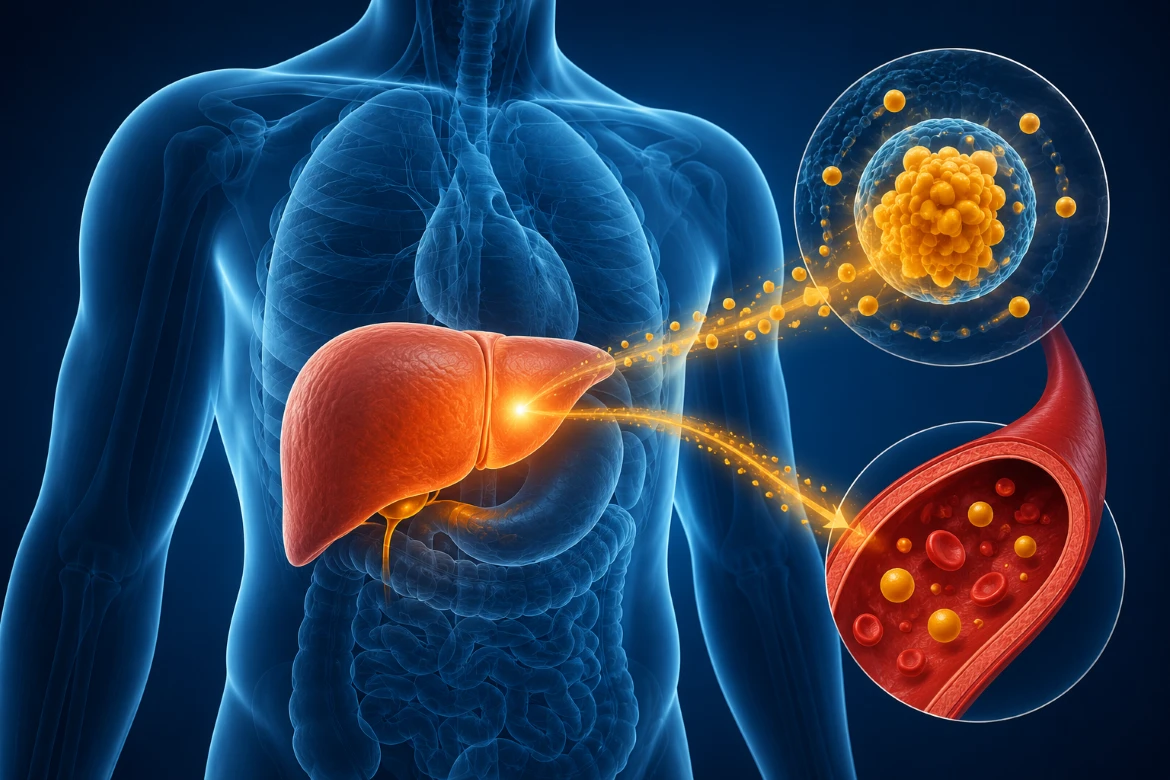
Here's something many people don't know.
Your liver naturally produces cholesterol every day because your body actually needs it. Cholesterol helps make hormones, vitamin D, and supports healthy cells.